
Centrifugal Cast Aluminum Bronze (Aluminium Bronze) Components & Alloys
Aluminum bronzes are copper-based alloys, typically containing around 8–12% aluminum, with possible additions of nickel, iron, manganese, or silicon to enhance strength and corrosion resistance.
When it comes to demanding environments -whether it’s high-load marine systems, heavy-duty hydraulic components, or corrosive chemical plants – centrifugally cast aluminum bronzes (CCABs) have become a go-to solution across industries. Why? Because they deliver a rare combination of wear resistance, corrosion resistance, and mechanical strength, all packed into a high-integrity casting process that’s built for performance and reliability.
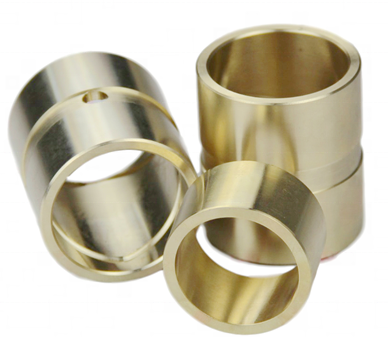
Why Aluminum Bronze with Centrifugal Casting?
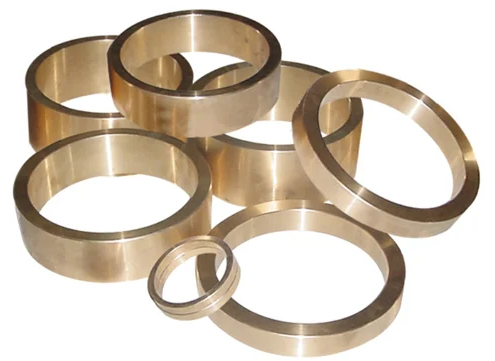
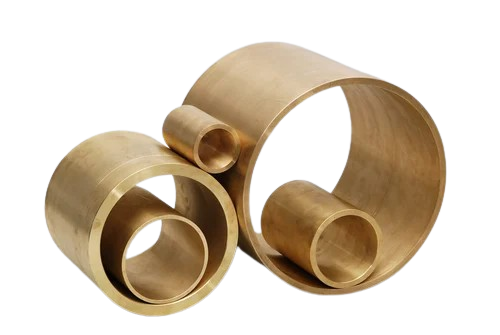
Aluminum bronzes are copper-based alloys, typically containing around 8–12% aluminum, with possible additions of nickel, iron, manganese, or silicon to enhance strength and corrosion resistance. These alloys are known for their exceptional resistance to seawater corrosion, high strength-to-weight ratios, and remarkable resistance to wear and fatigue.
Now bring in centrifugal casting, and the game changes. Unlike traditional static casting, centrifugal casting uses high-speed rotation to force molten metal against the mold wall. This results in:
- Exceptionally dense, defect-free structure
- Minimal porosity and impurities
- Fine grain structure from rapid solidification
- Improved mechanical and pressure-bearing properties
It’s not just about how the part looks—it’s how long it lasts under pressure.
Industrial Applications
Centrifugally cast aluminum bronzes aren’t niche materials. They’re standard equipment in industries where failure is not an option, including:
🚢 Marine & Offshore
- Propeller hubs and blades
- Water pump housings
- Shaft sleeves, bushings & wear rings
Why? Their unmatched resistance to saltwater corrosion, biofouling, and cavitation erosion makes them the top choice in wet and turbulent environments.
⚙️ Oil & Gas
- Valve bodies and seats
- Impellers and seals
- High-pressure pipe fittings
These parts face abrasive slurries, high-pressure flow, and aggressive chemicals—and aluminum bronze is one of the few materials that holds up.
🏗️ Heavy Equipment & Manufacturing
- Worm gears and bearings
- Wear plates
- Hydraulic cylinder components
Centrifugally cast aluminum bronze is dimensionally stable under high load and shock, reducing downtime and replacement frequency.
🔧 Defense & Aerospace
- Landing gear bushings
- Missile components
- High-precision fittings
Its ability to endure thermal stress and mechanical fatigue makes it a reliable choice for critical components in defense and aerospace.
Common Grades of Centrifugally Cast Aluminum Bronze
Depending on application requirements, several aluminum bronze grades are commonly used:
| Alloy Grade | Common Designation | Key Features |
|---|---|---|
| C95400 | Aluminum Bronze | General-purpose, good strength and corrosion resistance |
| C95500 | Nickel Aluminum Bronze | Superior strength and shock resistance |
| C95800 | Marine Grade | Excellent resistance to seawater and cavitation |
| C63000 | Defense/Aerospace Use | High strength, good machinability, thermal stability |
Alloy selection depends on working environment, load requirements, corrosion exposure, and life expectancy of the component.
Why Go Centrifugal?
You’ve probably seen terms like “superior metallurgical properties,” “homogeneous grain structure,” and “low inclusions” thrown around. Here’s what that actually means in practical terms:
- Longer Service Life: CCAB parts simply last longer before showing signs of fatigue, wear, or deformation.
- Consistent Quality: Every inch of the part—inner diameter to outer edge—maintains consistent density and performance.
- Cost-Effective in the Long Run: Even if the upfront cost is slightly higher than sand cast parts, centrifugal castings reduce maintenance costs and downtime.
Machinability & Post-Processing
Aluminum bronzes can be challenging to machine, especially in work-hardened conditions, but centrifugal casting helps mitigate some of that. The uniformity of the casting means:
- Less tool wear
- Better surface finishes
- Tighter tolerances
Heat treatment, ultrasonic inspection, and precision machining are commonly performed post-casting to meet tight engineering specs.
Looking for Custom Castings?
We offer custom centrifugal cast aluminum bronze components tailored to your specs, including custom OD/ID sizes, wall thicknesses, and alloy grades. Whether you need a one-off replacement sleeve or high-volume production for OEM parts, we can scale with your project.
Centrifugally cast aluminum bronzes are not just another alloy solution—they’re a performance-first engineering material ideal for industries that demand durability under stress. With excellent corrosion resistance, high tensile strength, and a flawless finish from centrifugal casting, they check every box for long-term, heavy-duty performance.
Looking for material specs, design consultation, or quote? Let’s Talk. Crown Engineering Team is ready to help you get the right alloy in the right shape for the job.