
Centrifugally Cast Copper Bronze – Built for Demanding Industrial Performance
Centrifugally cast copper bronze refers to a range of copper-based alloys, typically enriched with tin, aluminum, or other strengthening elements, that are formed using centrifugal casting techniques.
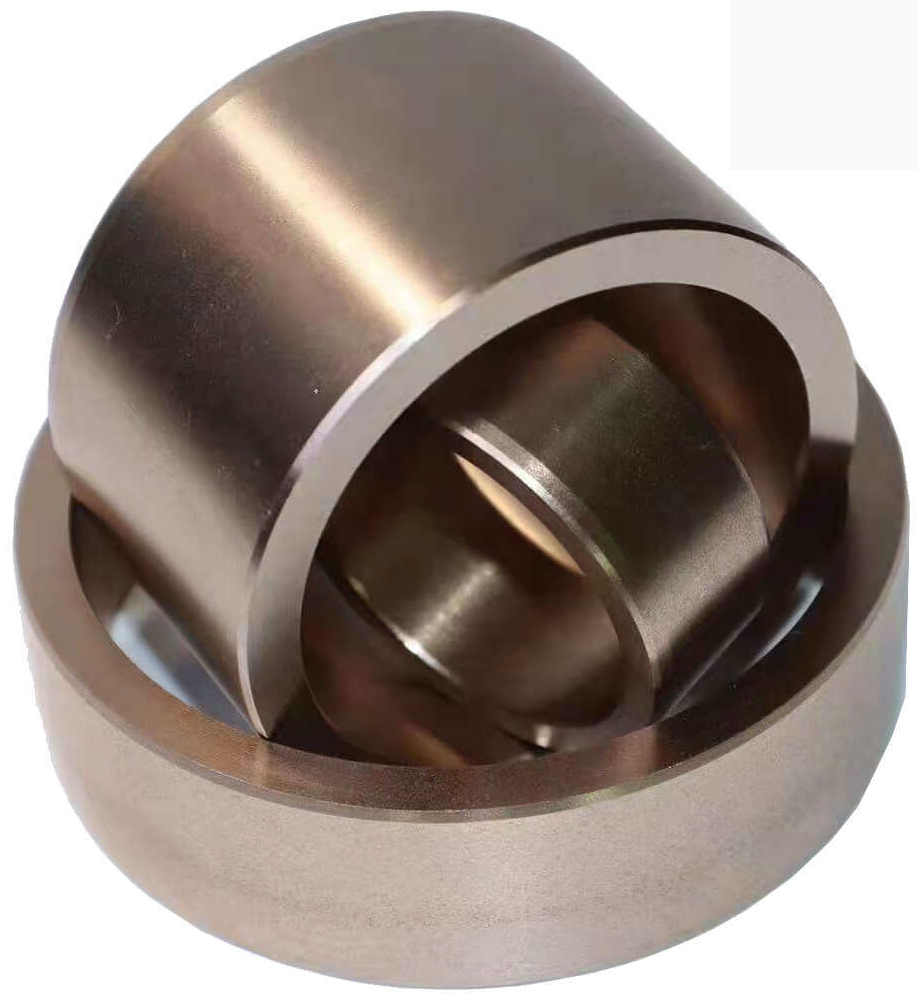
If your operation relies on strength, durability, and corrosion resistance, centrifugally cast copper bronze components are probably already on your radar—and if not, they should be. This category of alloys has become a go-to solution across critical industries like marine, oil & gas, power transmission, and heavy-duty engineering. Here’s why these castings matter and what makes them different.
What is Centrifugally Cast Copper Bronze?
Centrifugally cast copper bronze refers to a range of copper-based alloys, typically enriched with tin, aluminum, or other strengthening elements, that are formed using centrifugal casting techniques. In this process, molten bronze is poured into a spinning mold, which forces the metal to the mold walls by centrifugal force. This method produces a fine-grained, dense structure with virtually no porosity—making the material more reliable in high-stress applications.
Why Choose Centrifugal Casting for Copper Bronze Alloys?
In industrial settings, failure is not an option. Components like bushings, bearings, gear blanks, or pressure sealing parts must perform under extreme loads, friction, and exposure to aggressive environments. This is where centrifugal casting outperforms conventional sand or static casting.
Key advantages include:
Superior Density & Structural Integrity: The centrifugal action eliminates gas pockets and impurities, resulting in a defect-free structure that’s ideal for load-bearing components.
Extended Wear Life: Copper bronze’s inherent anti-friction and corrosion-resistant properties make it perfect for applications requiring minimal maintenance and long service life.
Near-Net Shape Production: Tight tolerances and smoother internal surfaces reduce post-processing time and machining costs.
Industry Applications – Where It’s Used & Why It Works
Centrifugally cast copper bronze parts are widely specified in:
Marine and Shipbuilding: Used in propeller hubs, rudder bearings, water-tight bushings, and seawater pump components due to its excellent resistance to saltwater corrosion.
Hydropower & Energy Sector: Trusted in hydro bushings, turbine wear rings, and bearing sleeves where precision, high load support, and anti-seizing performance are critical.
Mining & Earthmoving Equipment: Ideal for high-impact, abrasive conditions—especially in heavy-duty bushings and bearing liners.
Industrial Valves & Pumps: Copper bronzes offer tight sealing performance, exceptional castability, and longevity in fluid control systems handling chemicals or high-pressure steam.
Common Grades of Copper Bronze in Centrifugal Castings
The specific bronze alloy is selected based on the mechanical and chemical demands of the end-use. Some commonly used copper bronze grades include:
C90700 (Tin Bronze 88-10-2) – Strong general-purpose bronze with excellent machinability and corrosion resistance.
C90300 (SAE 620) – Often used in high-load bearings and bushings in marine and industrial systems.
C95400 (Aluminum Bronze) – Known for high strength, used where abrasive wear and high-impact strength are important.
Real-World Benefits to Engineers and Buyers
From a procurement standpoint, choosing centrifugally cast copper bronze components ensures fewer rejections, better part longevity, and less downtime. From an engineering perspective, you’re getting a material that’s easy to machine, holds tolerance well, and functions reliably over time.
Why It Matters Now
With sustainability and lifecycle costs under increasing scrutiny, more engineers and plant operators are searching for materials that combine strength with corrosion protection, especially for pump parts, valve seats, and large bushings. Searches around “high-performance bronze bushings,” “corrosion-resistant centrifugal castings,” and “marine-grade copper alloys” are all trending, making it clear that copper bronze – especially when centrifugally cast – is a rising material of choice.
Centrifugally cast copper bronze isn’t just another option – it’s a trusted performer in some of the harshest operating environments out there. Whether you’re specifying materials for a new build or replacing legacy components, understanding the capabilities of this material can help you make smarter, more cost-effective decisions.